
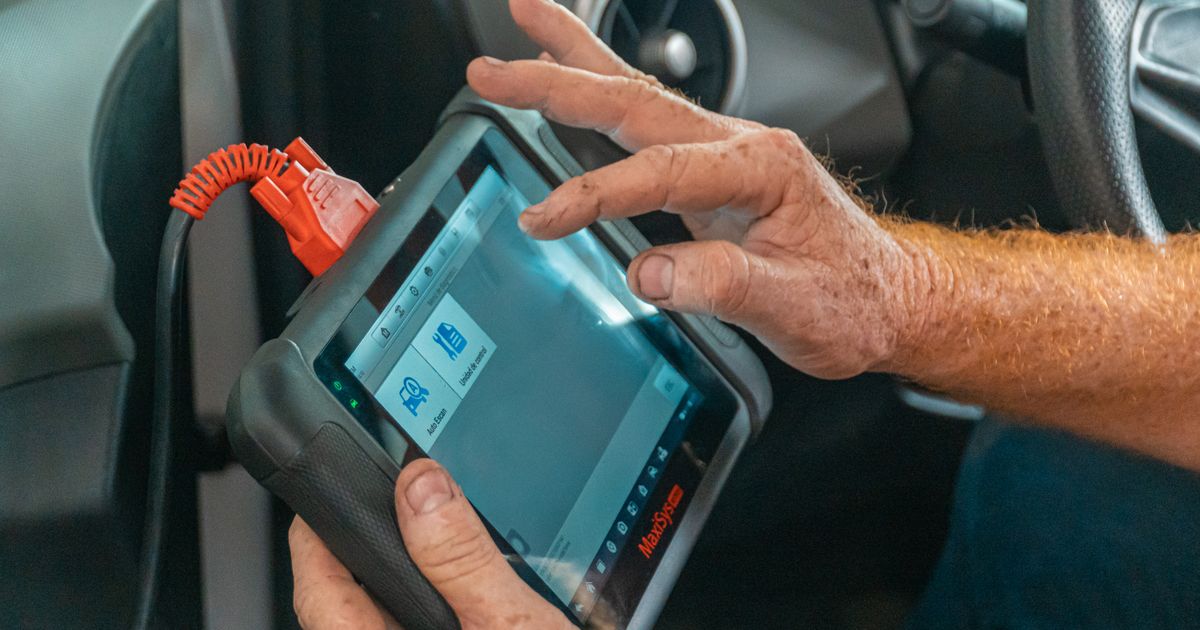

This section introduces recording a Vauxhall P0171 trouble code using fuel trim data and engine-specific service information. Understanding freeze-frame data helps in observing conditions at the moment the fault code was set. Engine-specific service information guides in identifying relevant diagnostic tests and procedures for the Vauxhall. Avoid making immediate repairs; instead, use the recorded data to inform a mechanic about the vehicle's condition.
To record standard engine and emissions fault codes before making changes, try AutoScan for Windows free trial with a compatible ELM327 adapter.
Meaning on the named make
The P0171 code for a Vauxhall indicates a detected lean condition in the engine's fuel mixture, suggesting insufficient fuel supply or excess air. Understanding the freeze-frame data alongside the fault code helps in identifying the exact engine conditions at the moment the code was set. Engine-specific service information can provide Vauxhall owners with precise details on how to address the underlying issues indicated by the P0171 code. Consulting the vehicle's service manual or manufacturer's guidance ensures adherence to the correct procedures for addressing the lean condition warning.
For further detail, see SAE J1979 standard overview guidance.
Confirm the engine and code status
Confirming the engine and code status involves reading the vehicle's onboard diagnostic system for P0171. Ensure the engine has completed all necessary warm-up cycles before checking for readiness status. Review the freeze-frame data associated with the P0171 code for context on when the issue occurred. Consult the vehicle's service manual for specific guidance on interpreting OBD-II codes for accurate observations.
For further detail, see US EPA OBD information guidance.
Save freeze-frame and related codes
Save freeze-frame data immediately upon code detection for Vauxhall P0171 to capture critical engine operation parameters. Engineers use freeze-frame data to review conditions at the moment fault codes were triggered, aiding in diagnostics. Ensure related codes are also recorded, as they provide context and can reveal underlying issues affecting fuel trims. Consult engine-specific service information to understand the implications of P0171 and guide further diagnostic actions.
Check model-specific information
Check your Vauxhall's specific service manual for precise maintenance and inspection procedures. Consult manufacturer guidelines to ensure accurate diagnostic checks and service intervals. Review the vehicle's history and previous repairs to understand any recurring issues. Refer to the latest technical bulletins for updates on common faults and diagnostic strategies.
Avoid parts-swapping guesses
Avoid replacing parts based on guesswork; use diagnostic tools to identify specific issues accurately. Swapping parts without proper diagnosis can lead to unresolved issues and wasted resources. Consult vehicle-specific service information to understand the correct diagnostic procedures for your model. Ensure you have the latest diagnostic software to match your vehicle's make and model accurately.
Plan the next diagnostic step
After saving codes and checking specifics, plan the next step based on observed fuel trims and monitor readiness status. Consider conducting a thorough inspection of fuel system components before proceeding with complex diagnostic procedures. Review vehicle-specific service information for additional guidance on addressing P0171 related issues effectively. Avoid premature part replacements; instead, monitor system behavior over time to inform accurate diagnostic decisions.
Use the code as evidence, not a parts list
A diagnostic trouble code identifies the system or test that noticed an unexpected result; it does not prove that the component named in the description has failed. Before clearing anything, save the full code, whether it is stored or pending, the freeze-frame values and any symptoms you observed. Compare those clues with vehicle-specific workshop information. Wiring, air or exhaust leaks, low voltage and related faults can produce similar codes, so replacing the first part mentioned is an expensive way to guess.
Know the limits of a scan
Standard OBD information is useful, but it is only one layer of a diagnosis. Braking, airbag, high-voltage and manufacturer-specific systems may need compatible equipment and trained handling. A scan also cannot confirm that a safety recall has been completed: use the manufacturer or the official GOV.UK recall service. If the car runs roughly, loses power, overheats, shows a red warning, smells of fuel or makes an unusual mechanical noise, stop and seek qualified help rather than continuing a test drive.
Next steps
Reviewing freeze-frame data and engine-specific service information ensures accurate identification of P0171 issues. Avoid speculative part replacements; instead, proceed with a methodical diagnostic approach based on evidence. Understanding vehicle emissions regulations guides the necessity for thorough diagnostics and subsequent repairs. Plan the next diagnostic steps based on observed fuel trim data trends and monitor readiness status.

Common questions
How do I address a Vauxhall P0171 lean condition code?
Record fuel trim and freeze-frame data to understand the engine's condition at fault detection. Consult the service manual for precise diagnostic procedures and avoid immediate part replacements.
What is the importance of freeze-frame data in diagnosing Vauxhall P0171?
Freeze-frame data captures engine parameters at the moment the fault code was set, aiding in identifying the exact conditions and informing the mechanic about the vehicle's state.
Why should I avoid speculative part replacements for Vauxhall P0171?
Replacing parts without proper diagnosis can be costly and ineffective. Use diagnostic tools to identify specific issues accurately, ensuring correct and efficient repairs.