

The battery lamp signals potential charging issues, indicating problems with the alternator, wiring, or battery itself. Regularly inspecting cables and connections can help prevent the battery warning light from appearing unexpectedly. Drivers should consult a professional mechanic if the battery light persists to avoid electrical system failures. Observing the battery light's activation while driving helps identify when charging system issues arise, guiding timely repairs.
To record standard engine and emissions fault codes before making changes, try AutoScan for Windows free trial with a compatible ELM327 adapter.
What the warning indicates
The battery warning light signals potential issues with charging, indicating problems like alternator faults or loose connections. Drivers should not ignore this light as it may signify a critical electrical system failure, risking vehicle breakdown. Observing whether the light stays on after the engine warms up helps determine if an immediate inspection is needed. Regular checks of the battery and charging system can prevent unexpected issues, ensuring reliable vehicle operation.
For further detail, see RAC dashboard warning-light guide guidance.
Decide whether it is safe to continue
If the battery warning light stays on, it signals potential charging system issues requiring immediate attention from a professional mechanic. Driving with this warning light on increases the risk of a breakdown due to a sudden power failure or battery exhaustion. Observing the light's persistence can help determine the urgency of the issue, but only a mechanic can diagnose the underlying cause accurately. Avoid attempting to drive long distances with the battery warning light on to prevent exacerbating electrical system problems.
For further detail, see GOV.UK MOT inspection manual guidance.
Record symptoms and recent events
Record any unusual noises, such as grinding or whining, which may indicate issues with the alternator or battery system. Note the vehicle's performance, such as unexpected stalls or difficulty starting, which could suggest battery or charging problems. Observe the dashboard for other warning lights that might accompany the battery light, indicating related system failures. Keep track of recent driving conditions and events, as they can influence battery health and charging system performance.
Use scan data as evidence
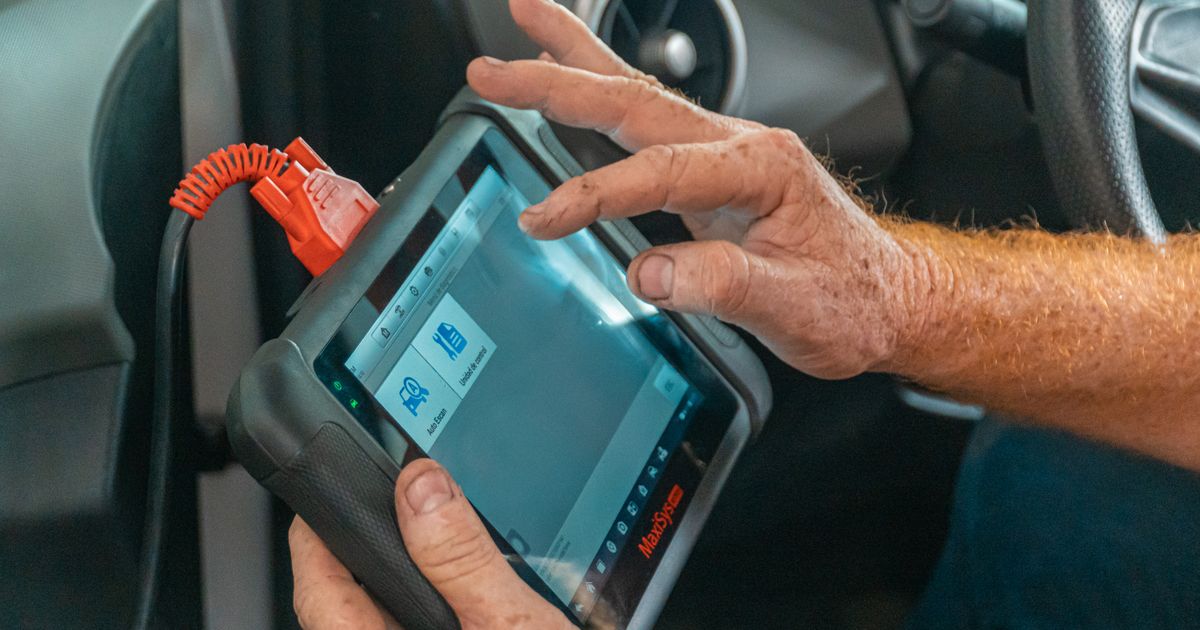
Scan data provides objective evidence, helping to isolate electrical faults that may cause the battery warning light to illuminate. Professional mechanics use diagnostic tools to interpret scan data, identifying specific issues with the charging system or battery health. Regularly checking scan data can help predict battery-related issues, allowing for timely maintenance and reducing the risk of breakdowns. Observing consistent patterns in scan data over time aids in diagnosing gradual deterioration in the car's electrical system reliability.
Checks that do not create extra risk
Monitor the battery warning light without attempting risky repairs to ensure safety and prevent further issues. Avoid driving with the battery warning light on to reduce the risk of a breakdown or additional vehicle damage. Regularly check the battery and charging system cables and connections for signs of wear or corrosion. Consult a professional mechanic for a thorough inspection if the battery warning light persists to avoid potential hazards.
When to stop and seek help
If the battery warning light persists, cease driving and arrange for a professional mechanic to inspect the car's electrical system. Driving with a faulty battery charging system can lead to a breakdown due to power failure, posing safety risks. Avoid attempting to drive with the battery warning light on, as this could exacerbate existing issues and cause further damage. Consulting a mobile mechanic service can provide prompt diagnosis and reduce the risk of further issues developing while driving.
Use the code as evidence, not a parts list
A diagnostic trouble code identifies the system or test that noticed an unexpected result; it does not prove that the component named in the description has failed. Before clearing anything, save the full code, whether it is stored or pending, the freeze-frame values and any symptoms you observed. Compare those clues with vehicle-specific workshop information. Wiring, air or exhaust leaks, low voltage and related faults can produce similar codes, so replacing the first part mentioned is an expensive way to guess.
Know the limits of a scan
Standard OBD information is useful, but it is only one layer of a diagnosis. Braking, airbag, high-voltage and manufacturer-specific systems may need compatible equipment and trained handling. A scan also cannot confirm that a safety recall has been completed: use the manufacturer or the official GOV.UK recall service. If the car runs roughly, loses power, overheats, shows a red warning, smells of fuel or makes an unusual mechanical noise, stop and seek qualified help rather than continuing a test drive.
Next steps
The battery warning light signals potential issues with charging, urging immediate attention to avoid breakdowns. Regularly inspecting cables, connections, and the alternator can help prevent the battery warning light from appearing. Observing dashboard lights, engine performance, and electrical system behavior aids in diagnosing underlying issues. Seek professional assistance promptly when the battery warning light illuminates to ensure vehicle safety and longevity.

Common questions
What does the battery warning light indicate?
The battery warning light signals potential charging issues, indicating problems with the alternator, wiring, or battery itself. Regular checks help prevent unexpected issues.
When should I stop driving if the battery warning light is on?
If the battery warning light persists, cease driving and arrange for a professional mechanic to inspect the car's electrical system to avoid potential hazards.
How can I use scan data for the battery warning light?
Scan data provides objective evidence, helping to isolate electrical faults that may cause the battery warning light to illuminate, aiding in timely maintenance.