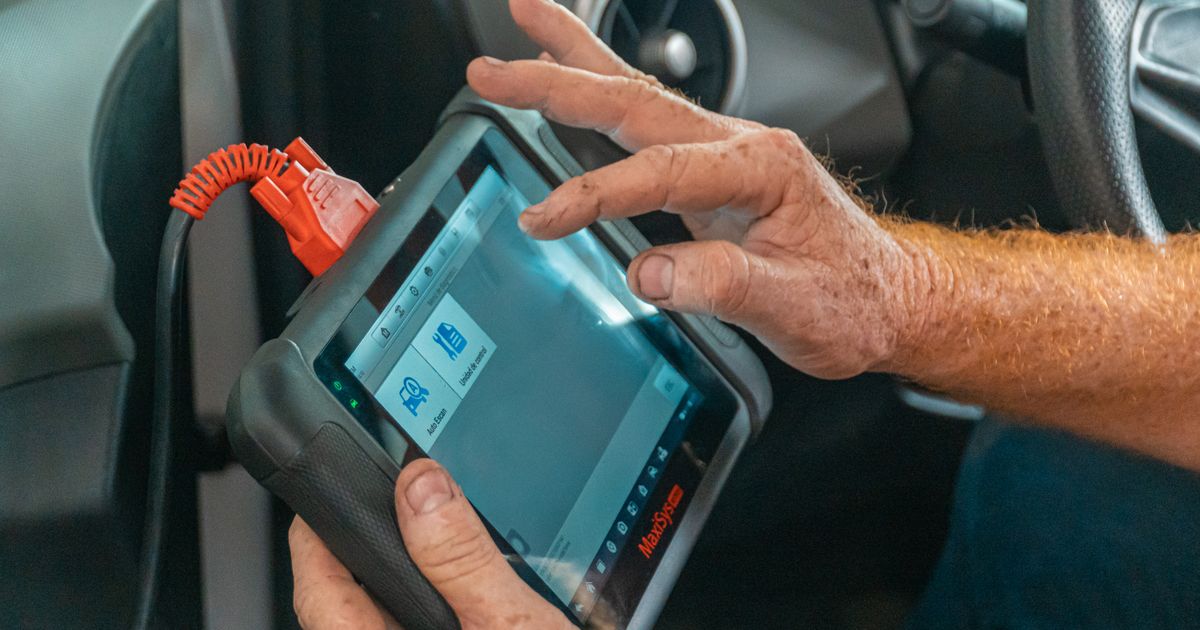
Understanding dashboard lights is crucial for identifying potential issues with your vehicle. Red lights indicate serious problems requiring immediate attention and safe stopping. Yellow lights suggest issues that need addressing but allow for a cautious drive to a mechanic. Green lights confirm systems are functioning normally, providing drivers with peace of mind.
To record standard engine and emissions fault codes before making changes, try AutoScan for Windows free trial with a compatible ELM327 adapter.
What the warning indicates
The ABS warning light signals potential issues with the anti-lock braking system, not necessarily low brake fluid. Hydraulic brake warnings differ, often indicating low brake fluid or worn brake components, requiring immediate attention. Note any accompanying noises or brake pedal feel changes to inform a mechanic about your vehicle's condition. Avoid prolonged driving with these lights on to prevent brake system failure and ensure road safety.
For further detail, see RAC dashboard warning-light guide guidance.
Decide whether it is safe to continue
If the ABS warning lights are on, assess brake fluid levels and system operation before deciding to drive. Do not drive if brake warning lights remain on, indicating potential brake system malfunction or low fluid. Continue driving cautiously with a green light, ensuring all vehicle systems are functioning as intended. Avoid prolonged driving with any dashboard warning lights; seek professional inspection to ensure safety.
For further detail, see GOV.UK MOT inspection manual guidance.
Record symptoms and recent events
Note the exact moment the warning lights appear and any unusual sounds or sensations while driving. Check if the warning coincides with specific actions, like braking or accelerating, to provide clues for mechanics. Record whether the issue persists when the engine is cold or only appears after driving for a while. Avoid driving if the warning is accompanied by severe symptoms like brake failure or engine malfunction.
Use scan data as evidence
Scan data provides evidence of issues but does not confirm a specific part's failure without further inspection. Consult a professional mechanic to interpret scan data and identify the underlying cause of warning lights. Do not attempt repairs based solely on fault codes; seek expert advice to ensure safe vehicle operation. Understanding scan data helps distinguish between ABS and hydraulic brake system issues, guiding appropriate action.
Monitor dashboard lights without altering settings to avoid masking issues that require professional attention. Note any changes in brake pedal feel or response, indicating potential problems needing expert evaluation. Avoid driving if brake or ABS lights remain on, as these signals critical system failures needing immediate attention. Continue driving cautiously with a minor engine light if familiar with the issue, but seek professional advice promptly.
When to stop and seek help
When the ABS warning or brake system light illuminates, prioritise safety by stopping in a secure location as soon as possible. Do not drive if you notice brake fluid levels are critically low or the brake system appears compromised. If the brake warning light persists, consult a professional mechanic to assess and address the issue promptly. Avoid risking further damage or endangering yourself; seek assistance immediately if you are unsure about the warning signs.
Use the code as evidence, not a parts list
A diagnostic trouble code identifies the system or test that noticed an unexpected result; it does not prove that the component named in the description has failed. Before clearing anything, save the full code, whether it is stored or pending, the freeze-frame values and any symptoms you observed. Compare those clues with vehicle-specific workshop information. Wiring, air or exhaust leaks, low voltage and related faults can produce similar codes, so replacing the first part mentioned is an expensive way to guess.
Know the limits of a scan
Standard OBD information is useful, but it is only one layer of a diagnosis. Braking, airbag, high-voltage and manufacturer-specific systems may need compatible equipment and trained handling. A scan also cannot confirm that a safety recall has been completed: use the manufacturer or the official GOV.UK recall service. If the car runs roughly, loses power, overheats, shows a red warning, smells of fuel or makes an unusual mechanical noise, stop and seek qualified help rather than continuing a test drive.
Next steps
Conclude your assessment by summarising observations without diagnosing faults. Ensure you have noted all symptoms and recent events affecting the vehicle's condition. Avoid driving if you suspect serious issues with brakes or ABS systems for safety. Seek professional assistance immediately if you cannot continue driving safely.