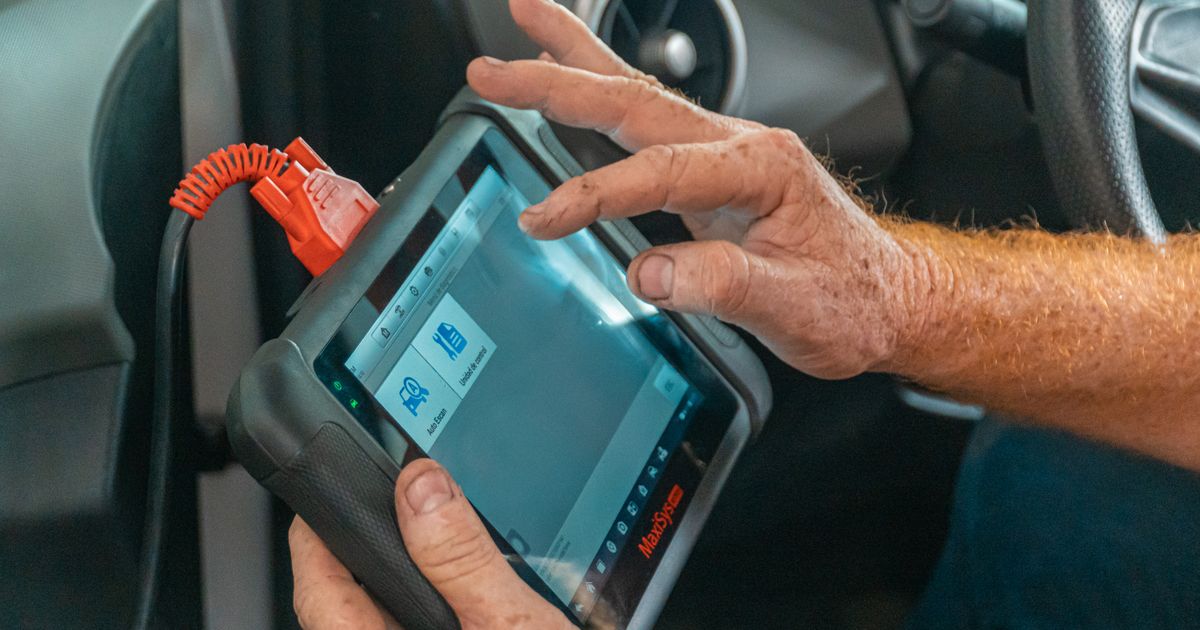
Before presenting your car, ensure it meets current MOT standards to avoid roadworthiness issues. Check for any faults using diagnostic tools, addressing issues like malfunction indicator lights early. Review your vehicle's history to anticipate upcoming MOT requirements and necessary preparations. Ensure all components, from brakes to lights, are in good working order to pass the MOT test.
To record standard engine and emissions fault codes before making changes, try AutoScan for Windows free trial with a compatible ELM327 adapter.
What the MOT check covers
The MOT check ensures vehicles meet road safety and environmental standards before being allowed on UK roads. Inspectors examine brakes, lights, suspension, and emissions to ensure they comply with legal requirements. During the MOT, the vehicle's structure, including doors and seats, is checked for safety and integrity. The MOT also evaluates the vehicle's electrical system, including lamps, reflectors, and battery condition.
For further detail, see GOV.UK MOT inspection manual guidance.
Readiness and warning-lamp evidence
Before an MOT, ensure all warning lamps are functioning correctly to indicate readiness for inspection. Check for illuminated engine malfunction indicator lamps, which may suggest pending issues needing attention. Address any readiness issues indicated by diagnostic trouble codes to ensure comprehensive system checks. Verify that all vehicle systems are up to date with the latest software updates for accurate diagnostics.
For further detail, see GOV.UK getting an MOT guidance.
What clearing codes changes
Clearing fault codes without addressing underlying issues may temporarily hide problems revealed by the engine management light. Ensure readiness codes are set for all vehicle systems before an MOT to prevent false failure indications due to recent repairs. Consult the vehicle handbook for specific instructions on resetting codes to maintain system integrity and avoid overlooking issues. Ignoring monitor readiness status can lead to inaccurate MOT results, potentially overlooking critical safety and emission issues.
Checks before test day
Before your MOT, ensure all warning lights are functioning correctly to avoid unexpected failures. Check for any fluid leaks under the vehicle, as these can lead to a failed MOT inspection. Verify that all lights are operational and correctly aligned to pass the MOT lamp inspection. Ensure your vehicle's brakes are in good condition, as brake performance is a critical MOT check.
Problems that need repair first
Address any illuminated malfunction indicator lamp before the test, as the MOT manual treats a lit MIL as an automatic failure under section 8. A fault code indicates a detected anomaly in a monitored system, but a qualified technician must confirm which component requires repair. Visible defects such as a cracked windscreen, inoperative stop lamps, or a leaking exhaust should be rectified by a competent repairer before presentation. Brake, steering, or suspension concerns identified during pre-test checks warrant professional inspection, since these carry the greatest risk of a dangerous failure outcome.
Build a useful pre-MOT record
Before the test, write down every warning lamp that has appeared recently, noting when it lit and whether it remains on. Record any observed symptoms — unusual noises, pulling under braking, or stiff steering — alongside the section of the MOT manual each relates to. Keep copies of any recent repair invoices or diagnostic reports, as these show the tester that known faults have been investigated professionally. A brief written log of your observations, however minor, helps the tester distinguish pre-existing conditions from anything found during the inspection itself.
Use vehicle-specific specifications
Generic maintenance advice cannot replace the handbook or proper workshop information for your exact model. Fluid grades, capacities, lifting points, tightening values and service intervals vary. Record what you find before changing anything, use the specified parts and fluids, and do not work beneath a vehicle supported only by a jack. If a check involves a hot, pressurised, high-voltage or safety-critical system, leave it to a suitably equipped technician.
Turn observations into useful evidence
Note when a symptom appears, the warning lamps involved and any recent work or weather conditions. Photographs and a short timeline can help a garage reproduce an intermittent fault. If an engine warning light appears, save the fault codes and freeze-frame information before clearing them. A reset may remove useful evidence and does not repair the cause.
Next steps
A pre-MOT review works best when it separates observed evidence from confirmed faults, letting you prioritise repairs without unnecessary guesswork. Address any illuminated warning lamps and known advisory items before the test day, since testers assess the vehicle's condition at presentation. Where a fault code is present, treat it as an indicator of a system concern rather than proof that a specific component has failed. Presenting a clean, roadworthy vehicle with a documented service history gives the tester the clearest picture and reduces the risk of avoidable failures.
Common questions
Will a lit engine warning light automatically fail an MOT?
Yes. The MOT inspection manual treats an illuminated malfunction indicator lamp as an automatic failure under section 8. Address any engine warning light before presenting your vehicle, since testers assess the condition at the point of presentation, not at an earlier date.
Should I clear fault codes before taking my car for its MOT?
No. Clearing codes without repairing the underlying fault removes useful diagnostic evidence, including freeze-frame data, and does not fix the cause. Unset readiness monitors following a recent reset may also produce an inconclusive result. Have the fault confirmed by a qualified technician first.
What records should I bring to the MOT test?
Note every warning lamp that has appeared recently, when it lit, and whether it remains on. Keep copies of recent repair invoices or diagnostic reports. A brief log of observed symptoms — unusual noises, pulling under braking, stiff steering — helps the tester distinguish pre-existing conditions from new findings.