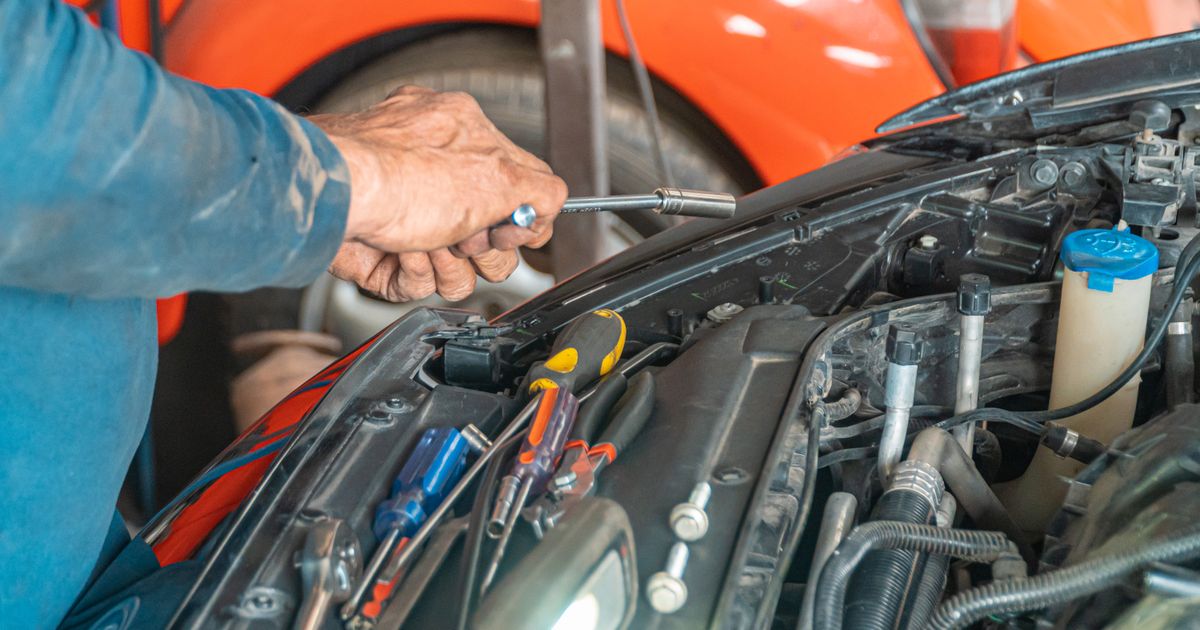

Modern vehicles increasingly operate on long-life service schedules stretching to 20,000 miles or two full calendar years between changes. Oil filters must retain substantially more soot, sludge, and wear particles over those longer periods without losing efficiency or triggering bypass valves. Research suggests that when a filter reaches its maximum dirt-holding capacity, performance can decline sharply rather than at a gradual, predictable rate. Typical UK driving — regular short journeys, cold starts, and stop-start urban traffic — commonly falls within the severe-duty category for oil degradation. Independent workshops that advise on appropriate filter specification and realistic service intervals are well placed to demonstrate genuine technical expertise to customers.
Why it matters for your car
Drivers who regularly make short urban trips or frequent cold starts may need an earlier oil and filter change than the vehicle's service reminder suggests. Using a filter not engineered for extended duty can leave the engine unprotected well before the scheduled service date.
For plug-in hybrids, AutoScan for Windows can read standard engine and emissions fault codes through a compatible ELM327 adapter; charging-system and high-voltage faults require vehicle-specific equipment.
