
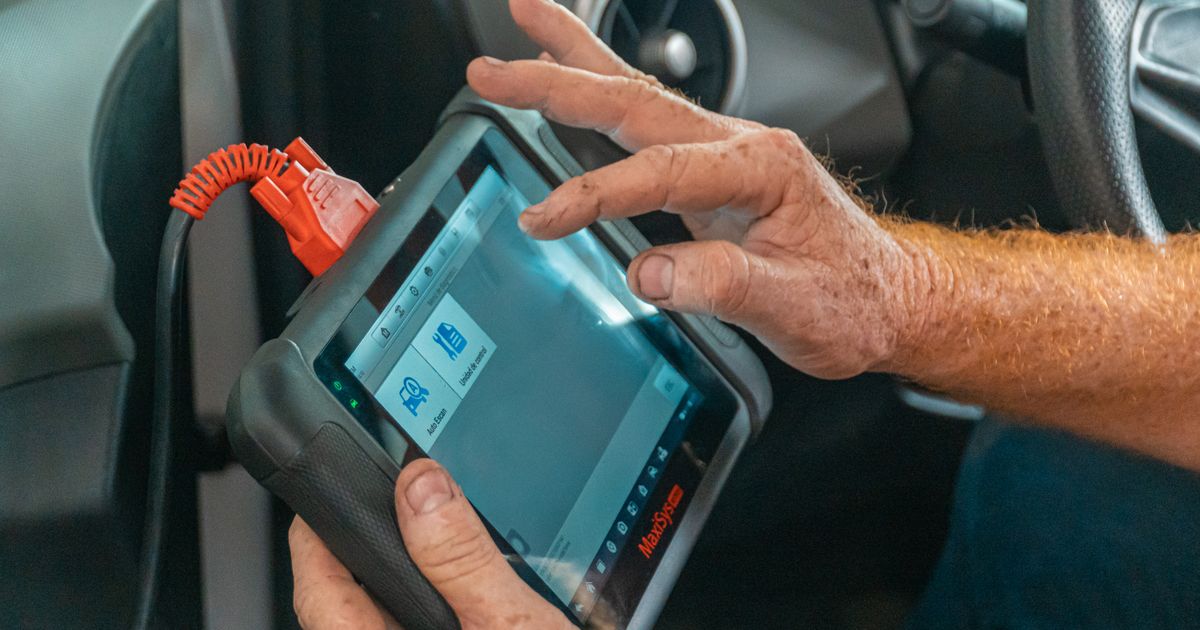

Freeze frame captures vehicle data at the moment a fault occurs, aiding in identifying malfunction conditions. This diagnostic tool provides critical information about engine operation when a fault code is triggered. Understanding freeze frame data helps technicians pinpoint issues without guesswork, enhancing diagnostic accuracy. However, freeze frame data alone does not diagnose problems; it offers context for further investigation.
Drivers investigating an engine warning light can use AutoScan for Windows with a compatible ELM327 adapter to read and clear fault codes and view live data, freeze frame and readiness information.
Introduction to Freeze Frame Data
Freeze frame data captures vehicle conditions at the moment a fault is detected, aiding in diagnosing issues without guesswork. This snapshot includes sensor readings and the diagnostic trouble code, offering insights into operational conditions. However, freeze frame data has limitations, such as being overwritten by subsequent faults or cleared during normal operation. Technicians use this data to understand vehicle state at fault occurrence, though it does not confirm specific part failures.
For further detail, see US Environmental Protection Agency guidance.
Understanding Freeze Frame Snapshots
Freeze frame captures vehicle conditions at the moment a fault is detected, aiding in identifying malfunction triggers. This snapshot includes critical sensor readings and the diagnostic trouble code, offering clues about operational states. However, freeze frame data alone does not diagnose issues; it merely indicates conditions when a fault was flagged. Understanding freeze frame requires interpreting sensor values within the context of vehicle operation and environmental factors.
For further detail, see SAE International guidance.
Key Parameters in Freeze Frame
Freeze frame captures critical engine parameters at the moment a fault occurs, aiding in diagnosing issues. This snapshot includes data like engine speed, vehicle speed, and throttle position, offering context for faults. However, freeze frame data alone does not diagnose specific faults; it merely provides conditions at fault detection. Mechanics use freeze frame to correlate sensor readings with malfunction symptoms, enhancing diagnostic accuracy.
Interpreting Operating Conditions
Freeze frame data captures vehicle conditions at the moment a fault is detected, aiding in understanding malfunction triggers. This snapshot includes critical parameters like engine speed, throttle position, and oxygen sensor readings at fault occurrence. However, freeze frame data reflects a single moment, limiting insight into intermittent or dynamic issues over time. Diagnostic practitioners use freeze frame to correlate fault codes with specific operating conditions, enhancing problem identification.
Limitations of Freeze Frame Data
Freeze frame data captures vehicle conditions at malfunction detection but may not reflect ongoing issues accurately. Limitations include potential data loss if new faults occur before diagnosis, complicating initial fault identification. Interpreting freeze frame requires understanding vehicle state at the time of the fault, not necessarily current conditions. Diagnostic tools must be used promptly after a fault to capture freeze frame data before it is overwritten or lost.
Practical Application in Diagnostics
Freeze frame data captures vehicle conditions at the moment a fault occurs, aiding in pinpointing malfunction origins. This data includes key parameters like engine speed, throttle position, and vehicle speed, offering context for faults. However, freeze frame limitations exist, such as single snapshot storage and potential data override by subsequent faults. Mechanics use freeze frame data alongside other diagnostics to formulate informed, safe repair strategies.
Using Freeze Frame for Maintenance
Freeze frame data captures vehicle conditions at the moment a fault is detected, aiding in identifying malfunction triggers. This snapshot includes critical parameters like engine speed and throttle position, offering clues about the issue's context. Despite its utility, freeze frame data has limitations, such as capturing only a single instance per fault code. Technicians should record freeze frame data promptly after a fault, as it may be overwritten by subsequent events.
Worksheet for Freeze Frame Analysis
Freeze frame captures vehicle conditions at the moment a fault code is triggered, offering critical diagnostic insights. This snapshot includes key parameters like engine speed, throttle position, and fuel trim at malfunction detection. Analyse freeze frame data promptly, as it may be overwritten by subsequent faults or cleared during normal operation. Use freeze frame to correlate fault codes with specific operational states, aiding in identifying potential root causes.
Use the code as evidence, not a parts list
A diagnostic trouble code identifies the system or test that noticed an unexpected result; it does not prove that the component named in the description has failed. Before clearing anything, save the full code, whether it is stored or pending, the freeze-frame values and any symptoms you observed. Compare those clues with vehicle-specific workshop information. Wiring, air or exhaust leaks, low voltage and related faults can produce similar codes, so replacing the first part mentioned is an expensive way to guess.
Know the limits of a scan
Standard OBD information is useful, but it is only one layer of a diagnosis. Braking, airbag, high-voltage and manufacturer-specific systems may need compatible equipment and trained handling. A scan also cannot confirm that a safety recall has been completed: use the manufacturer or the official GOV.UK recall service. If the car runs roughly, loses power, overheats, shows a red warning, smells of fuel or makes an unusual mechanical noise, stop and seek qualified help rather than continuing a test drive.
Next steps
Freeze frame data captures critical vehicle conditions at fault detection, aiding in pinpointing malfunction origins. This snapshot helps technicians understand the operational context when a fault occurred, enhancing diagnostic accuracy. However, freeze frame limitations exist, such as single data storage per fault, which may hinder thorough analysis. Effective use of freeze frame requires timely access and interpretation, supporting maintenance without suggesting specific repairs.
