

Understanding fault code P2463 requires examining vehicle operation and emissions data without immediate forced regeneration. Forced regeneration should not automatically be the first step, as it may not address underlying issues causing the code. Diagnostic checks under OBD standards help identify when a forced regeneration might be necessary, but not always advisable initially. Consulting vehicle manuals and emission guidelines ensures appropriate handling of P2463 and related faults without premature intervention.
To record standard engine and emissions fault codes before making changes, try AutoScan for Windows free trial with a compatible ELM327 adapter.
What the code records
The P2463 code signals the vehicle's computer detected an issue with the diesel particulate filter's temperature sensor. This code suggests the sensor may be malfunctioning, leading the system to record inaccurate data about the filter's condition. Understanding the context of the P2463 code requires recognizing it as part of a broader set of diagnostic signals from the vehicle. Addressing the P2463 code involves careful analysis of vehicle operation and sensor readings, not immediate forced regeneration.
For further detail, see SAE J1979 standard overview guidance.
Symptoms and context worth noting
P2463 indicates a diesel particulate filter issue, often linked to exhaust blockages or excessive soot accumulation. Owners should monitor driving patterns and fuel quality, as these can influence DPF health and code frequency. Avoid immediate forced regeneration without addressing underlying issues, which may exacerbate DPF problems or cause damage. Regular checks of exhaust system components and adherence to manufacturer guidelines help prevent severe DPF-related issues.
For further detail, see US EPA OBD information guidance.
Evidence to save before clearing
Before clearing P2463, record the vehicle's mileage, fault codes, and any recent driving patterns to inform subsequent diagnostics. Observing and documenting engine temperature and exhaust smoke before and after a diagnostic check can provide clues about the diesel particulate filter condition. Avoid immediate forced regeneration for P2463; instead, review the vehicle's log for consistent issues that may indicate underlying causes. Ensure all previous diagnostic sessions' data is saved before clearing codes to maintain a complete history for accurate future analysis.
Possible system-level causes
System-level issues like P2463 may indicate broader problems with the vehicle's emissions control system, not just a single component. Forced regeneration might mask underlying issues, so addressing the root cause through thorough diagnostics is often advisable. Environmental regulations require vehicles to maintain emission standards, highlighting the importance of systematic checks beyond individual parts. Understanding the interconnection between vehicle systems helps in identifying patterns that suggest deeper issues than a single fault code.
A sensible diagnostic sequence
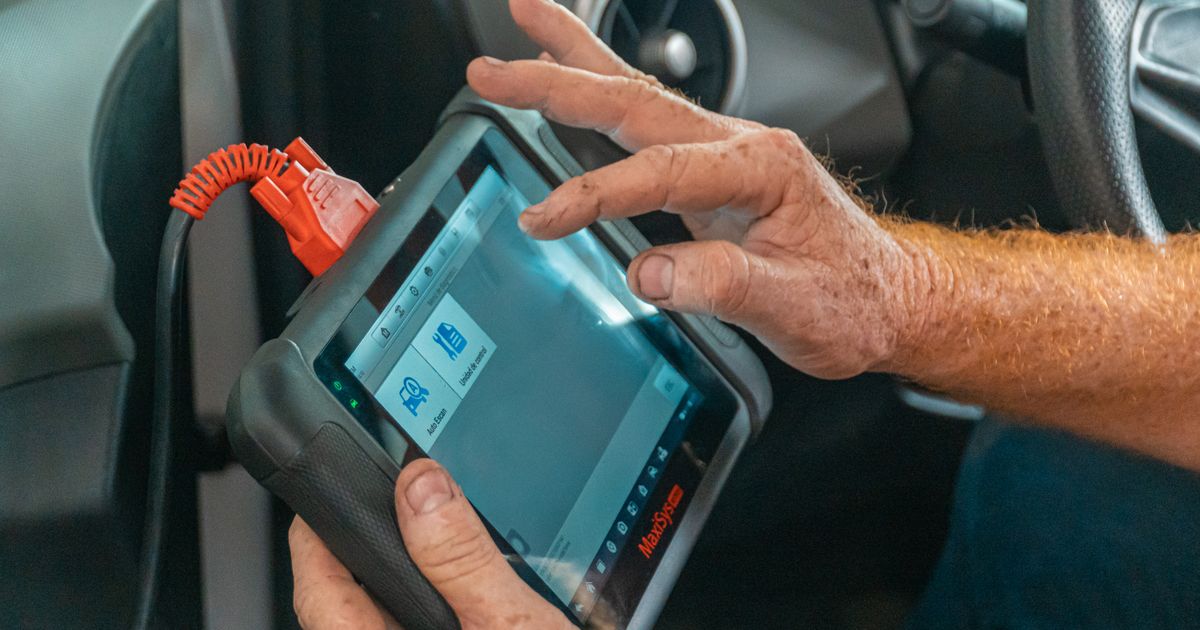
A diagnostic sequence starts with observing vehicle behaviour and noting any deviations from normal operation. Reviewing the vehicle's OBD-II system for pending or stored trouble codes provides initial clues without immediate action. Avoid forcing a regeneration unless exhaust particulate levels indicate a clear need, to prevent unnecessary DPF stress. Subsequent steps involve checking sensor inputs and system outputs, ensuring data accuracy before considering component replacement.
When professional diagnosis is safer
Professional diagnosis ensures accurate identification of underlying issues beyond surface symptoms for P2463. Avoiding automatic forced regeneration prevents unnecessary stress on the diesel particulate filter and engine. Expert assessment can determine if the fault code P2463 indicates broader emission system inefficiencies. Professional evaluation helps in distinguishing between transient issues and persistent faults requiring intervention.
Use the code as evidence, not a parts list
A diagnostic trouble code identifies the system or test that noticed an unexpected result; it does not prove that the component named in the description has failed. Before clearing anything, save the full code, whether it is stored or pending, the freeze-frame values and any symptoms you observed. Compare those clues with vehicle-specific workshop information. Wiring, air or exhaust leaks, low voltage and related faults can produce similar codes, so replacing the first part mentioned is an expensive way to guess.
Know the limits of a scan
Standard OBD information is useful, but it is only one layer of a diagnosis. Braking, airbag, high-voltage and manufacturer-specific systems may need compatible equipment and trained handling. A scan also cannot confirm that a safety recall has been completed: use the manufacturer or the official GOV.UK recall service. If the car runs roughly, loses power, overheats, shows a red warning, smells of fuel or makes an unusual mechanical noise, stop and seek qualified help rather than continuing a test drive.
Next steps
P2463 signals a diesel particulate filter issue, indicating potential blockage or malfunction requiring careful analysis. Avoid immediate forced regeneration, as it may stress the system without addressing underlying causes or providing necessary data. Professional assessment ensures accurate identification of the root cause, preventing further complications and unnecessary expenses. Understanding vehicle history and recent usage patterns helps in formulating a reasoned approach to resolving P2463.

Common questions
What does the P2463 code indicate about my vehicle?
The P2463 code signals a problem with the diesel particulate filter's temperature sensor, suggesting inaccurate data about the filter's condition. It's part of a broader set of diagnostic signals from the vehicle.
Why shouldn't I immediately force a regeneration for P2463?
Forced regeneration may not address underlying issues causing the code and could exacerbate DPF problems or cause damage. It's advisable to review vehicle operation and sensor readings first.
What should I record before clearing the P2463 code?
Before clearing the P2463 code, record the vehicle's mileage, fault codes, and recent driving patterns. Documenting engine temperature and exhaust smoke can provide clues about the diesel particulate filter condition.