An oil-pressure warning demands immediate attention to prevent severe engine damage. Check the oil level separately, as low oil does not always cause the pressure warning. Ignoring an oil-pressure warning risks catastrophic engine failure and extensive repair costs. Consult a professional mechanic for a thorough inspection and safe resolution of the issue.
To record standard engine and emissions fault codes before making changes, try AutoScan for Windows free trial with a compatible ELM327 adapter.
What the warning indicates
An oil-pressure warning light signals a critical issue requiring immediate attention to prevent engine damage. This warning indicates a potential problem with the engine's oil pressure, not necessarily the oil level. Ignoring this light can lead to severe engine wear or failure, necessitating expensive repairs or replacements. Consult a professional mechanic to diagnose and address the underlying issue safely and effectively.
For further detail, see RAC dashboard warning-light guide guidance.
Decide whether it is safe to continue
If the oil-pressure warning illuminates, safely pull over and assess the situation before deciding to continue. Do not confuse low oil level with insufficient oil pressure; both require immediate attention but differ in urgency. Avoid driving with an oil-pressure warning to prevent severe engine damage that could necessitate an engine rebuild. Seek professional assistance to accurately diagnose the underlying issue causing the oil-pressure warning light.
For further detail, see GOV.UK MOT inspection manual guidance.
Record symptoms and recent events
Note the exact moment the oil-pressure warning appears and any accompanying sounds or vibrations. Document any recent changes in driving conditions or vehicle use before the warning light illuminated. Avoid guessing the issue; record symptoms precisely for a mechanic to review later. Do not attempt DIY repairs; safely pull over and contact a professional mechanic for advice.
Use scan data as evidence
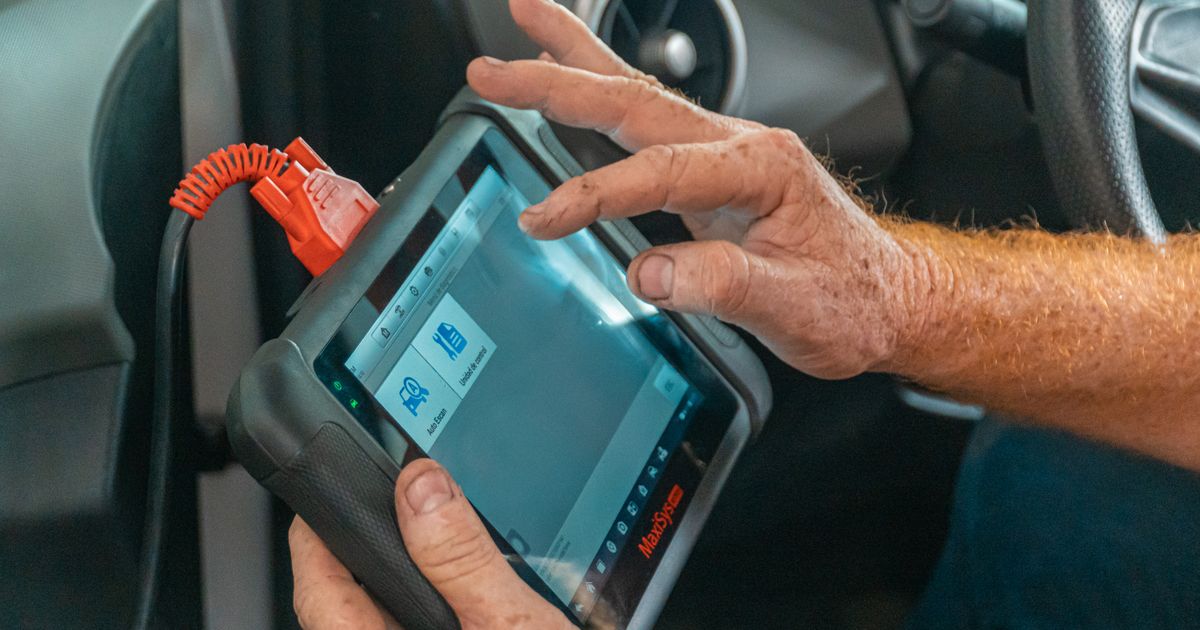
Scan data provides objective evidence of issues, helping to distinguish between sensor errors and actual mechanical problems. Professional mechanics use diagnostic tools to interpret scan data, identifying specific faults without guessing. By analysing scan data, technicians can pinpoint the exact cause of the oil-pressure warning, ensuring targeted repairs. Ignoring scan data can lead to unnecessary part replacements, as it distinguishes between genuine faults and sensor inaccuracies.
Monitor the oil pressure gauge closely to ensure it returns to normal after a warning, indicating stable engine health. Check the oil level separately from pressure, as low oil can trigger a warning but does not diagnose engine condition. Avoid driving with an oil-pressure warning to prevent engine damage, prioritizing safety over convenience. Consult a professional mechanic for a thorough inspection if the oil-pressure warning persists, avoiding self-diagnosis.
When to stop and seek help
If the oil-pressure warning illuminates, pull over immediately to prevent engine damage from lack of lubrication. Do not confuse low oil level with oil pressure; check the dipstick to distinguish between the two scenarios. Ignoring an oil-pressure warning can lead to severe engine wear or failure, necessitating costly repairs or replacements. Contact a professional mechanic for a thorough inspection and avoid driving until the issue is diagnosed and addressed.
Use vehicle-specific specifications
Generic maintenance advice cannot replace the handbook or proper workshop information for your exact model. Fluid grades, capacities, lifting points, tightening values and service intervals vary. Record what you find before changing anything, use the specified parts and fluids, and do not work beneath a vehicle supported only by a jack. If a check involves a hot, pressurised, high-voltage or safety-critical system, leave it to a suitably equipped technician.
Turn observations into useful evidence
Note when a symptom appears, the warning lamps involved and any recent work or weather conditions. Photographs and a short timeline can help a garage reproduce an intermittent fault. If an engine warning light appears, save the fault codes and freeze-frame information before clearing them. A reset may remove useful evidence and does not repair the cause.
Next steps
An oil-pressure warning demands prompt attention to prevent severe engine damage from lack of lubrication. Monitor oil levels separately; low levels can cause pressure issues, but do not equate level with pressure directly. Should the warning persist, cease driving immediately to avert potential engine failure and costly repairs. Consult a professional mechanic for a thorough inspection and to avoid exacerbating underlying issues.