An overheating engine ranks among the most serious faults a driver can face on a British road. Warning lights, gauge readings, and unusual smells are observations you can safely record; only a qualified mechanic can diagnose the underlying cause. When a red temperature or coolant warning light appears, reduce speed gradually and pull over to the nearest safe location. A hot cooling system remains pressurised; never remove the radiator cap or disturb hoses until the engine has cooled completely.
To record standard engine and emissions fault codes before making changes, try AutoScan for Windows free trial with a compatible ELM327 adapter.
What the warning indicates
A red temperature warning light indicates the engine is approaching or has reached a dangerously high operating temperature, requiring immediate safe action. Some vehicles also show a yellow coolant-level warning before the temperature becomes critical, suggesting the coolant reservoir may be running low. These dashboard signals are observations reported by the car's own sensors and do not by themselves confirm which component has caused the rise. Until a qualified mechanic inspects the cooling system, any conclusion about the underlying cause — such as a leak, blockage, or other fault — remains unconfirmed.
For further detail, see RAC dashboard warning-light guide guidance.
Decide whether it is safe to continue
If the temperature warning light is red, pull over at the earliest safe opportunity and switch the engine off immediately. Steam from the bonnet, a burning smell, or sudden loss of power are observable signs that suggest continuing is unsafe. These observations indicate a possible cooling system issue, though only a qualified mechanic can establish the underlying cause with certainty. Do not restart or drive the vehicle further until the engine has fully cooled and professional assistance has been arranged.
For further detail, see GOV.UK MOT inspection manual guidance.
Record symptoms and recent events
Note the exact moment the warning light appeared and any unusual engine sounds or temperature gauge readings. Document any recent changes in driving conditions or vehicle use that could correlate with the warning light's appearance. Avoid opening the radiator cap yourself; instead, safely pull over and call for assistance if the warning light persists. Photograph the dashboard display and warning light status to show to a mechanic for a precise diagnosis.
Use scan data as evidence
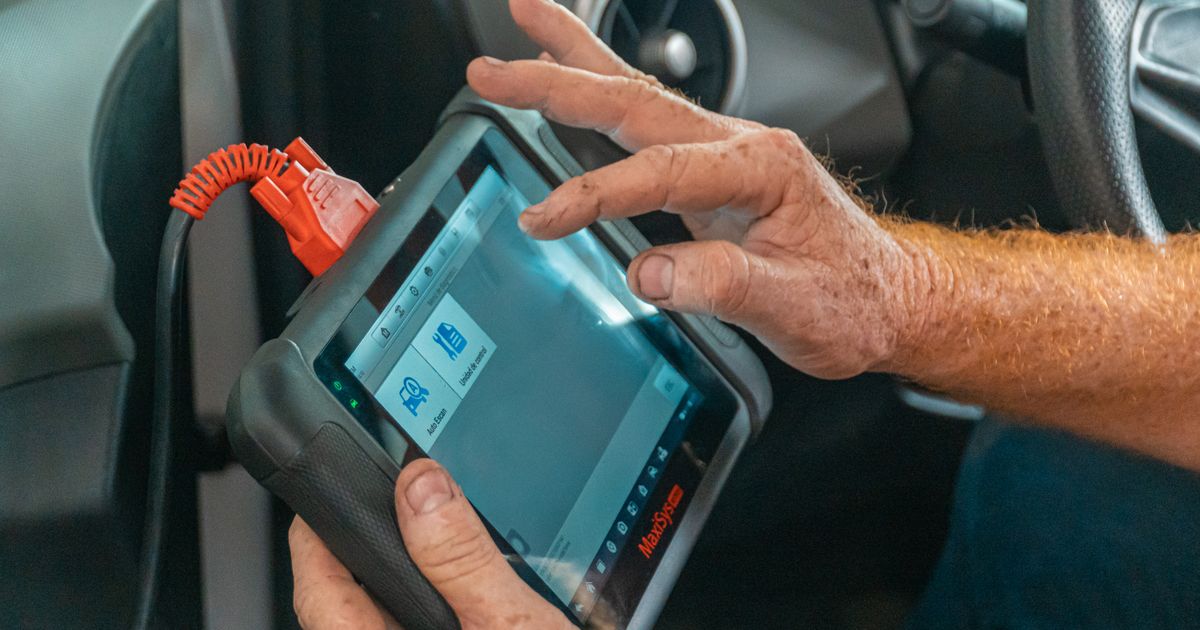
Use a diagnostic tool to read fault codes, providing evidence of issues without opening the hot engine bay. Record the exact codes displayed by the engine management system for accurate reference. Avoid interpreting codes as definitive diagnoses; consult a professional for an accurate assessment. Document any changes in warning light behaviour or additional codes that appear while driving.
Monitor dashboard lights without altering vehicle operation to avoid escalating potential issues. Do not open the radiator cap or touch hot engine parts to prevent severe burns or injury. Document any unusual noises or performance changes without attempting mechanical adjustments. Keep a safe distance from other vehicles and seek a secure location to stop and assess further.
When to stop and seek help
If the coolant level or temperature warning lights illuminate, pull over safely to avoid engine damage. Never open a hot radiator cap; wait until the engine cools to prevent severe burns and steam hazards. Document any warning lights, temperature gauge readings, and recent driving conditions for the mechanic's reference. Contact roadside assistance if you cannot safely stop; do not drive further to avoid exacerbating engine issues.
Use vehicle-specific specifications
Generic maintenance advice cannot replace the handbook or proper workshop information for your exact model. Fluid grades, capacities, lifting points, tightening values and service intervals vary. Record what you find before changing anything, use the specified parts and fluids, and do not work beneath a vehicle supported only by a jack. If a check involves a hot, pressurised, high-voltage or safety-critical system, leave it to a suitably equipped technician.
Turn observations into useful evidence
Note when a symptom appears, the warning lamps involved and any recent work or weather conditions. Photographs and a short timeline can help a garage reproduce an intermittent fault. If an engine warning light appears, save the fault codes and freeze-frame information before clearing them. A reset may remove useful evidence and does not repair the cause.
Next steps
Recognise overheating signs early to prevent engine damage and ensure safe operation of your vehicle. Stopping safely to address overheating avoids further engine strain and potential breakdown. Documenting symptoms and recent driving conditions provides valuable information for diagnostics. Avoid opening the hot cooling system; instead, seek professional assistance to prevent injury.